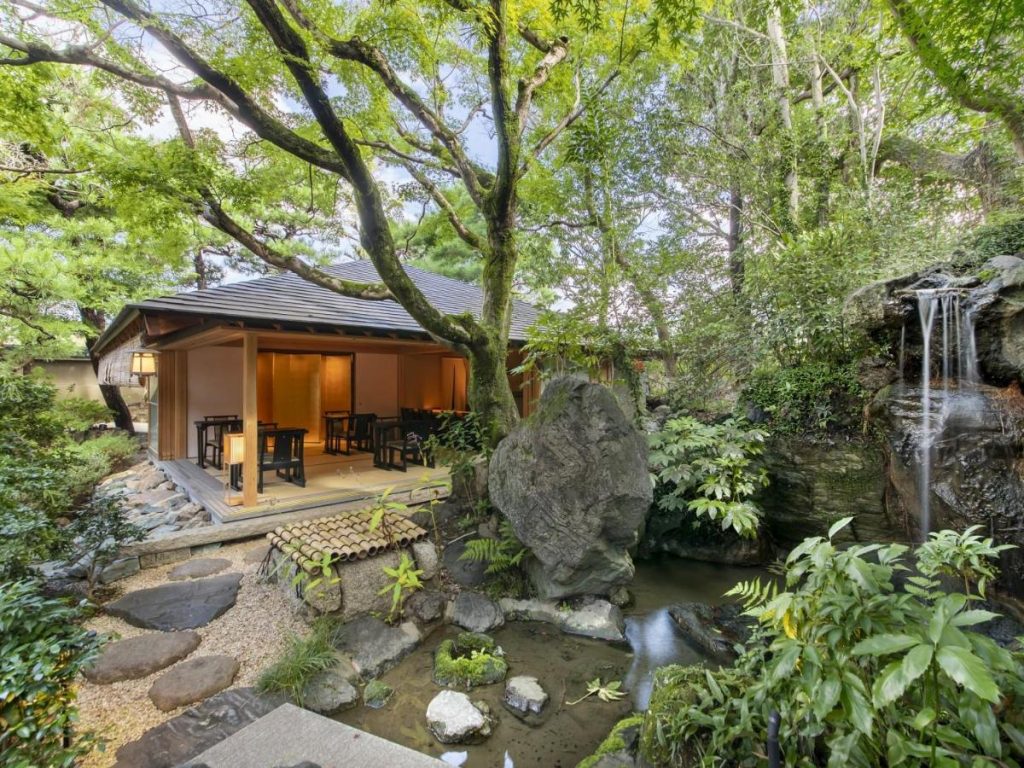
The Art of Serenity: Experiencing Ryokan in Kyoto
Kyoto, the ancient capital of Japan, is a city steeped in history, spirituality, and unparalleled beauty. Its landscape is a tapestry woven with gilded temples, serene Zen gardens, vibrant geisha districts, and bamboo groves that whisper tales of centuries past. While modern hotels offer comfort and convenience, to truly immerse oneself in Kyoto’s timeless charm and profound cultural heritage, there is no experience quite like a stay in a ryokan.
More than just an inn, a ryokan is a traditional Japanese guesthouse, a sanctuary where the art of hospitality, known as omotenashi, reaches its pinnacle. It’s a journey into a bygone era, a holistic experience that engages all senses and offers a deep connection to Japanese traditions, aesthetics, and the rhythm of life. And there is no better place to embark on this journey than in Kyoto, where ryokans are not just accommodations, but living museums of culture and refined elegance.
The Essence of a Ryokan: A Glimpse into Tradition
The concept of the ryokan dates back to the Edo period (1603-1868), when they served as resting places for samurai, merchants, and pilgrims traveling along Japan’s ancient highways. Over centuries, they evolved from simple lodgings to sophisticated havens of peace and luxury, embodying the principles of harmony, respect, purity, and tranquility that define Japanese culture.
At its heart, a ryokan stay is about slowing down, unplugging from the frenetic pace of modern life, and savoring moments of quiet contemplation. It’s about appreciating the subtle beauty of nature, the meticulous artistry of Japanese craftsmanship, and the warmth of genuine, anticipatory service.
Why Kyoto is the Ultimate Ryokan Destination
Kyoto’s unique position as the cultural heart of Japan makes it the quintessential location for a ryokan experience. Unlike other major cities, Kyoto has largely preserved its traditional wooden architecture, narrow alleyways, and the quiet dignity of its ancient traditions. Here, the ryokan doesn’t feel like an anachronism; it feels like an organic extension of the city itself.
The city’s natural beauty—its surrounding mountains, the Kamo River, and its meticulously manicured gardens—provides the perfect backdrop for the serene atmosphere of a ryokan. Furthermore, Kyoto’s culinary prowess, particularly its kyo-ryori (Kyoto cuisine), aligns perfectly with the multi-course kaiseki dinners served at ryokans, often showcasing local, seasonal ingredients and artistic presentation. In Kyoto, the ryokan experience is not just an accommodation choice; it’s an integral part of understanding and appreciating the city’s soul.
The Anatomy of a Ryokan Stay: A Sensory Journey
Stepping into a ryokan is like entering another world. The transition begins at the genkan, the entryway where guests remove their shoes and don house slippers, symbolizing the shedding of the outside world. From there, a symphony of traditional elements unfolds:
-
The Washitsu (Japanese-style Room):
The ryokan room is a masterpiece of minimalist design and functionality. The floor is covered with soft, fragrant tatami mats made of woven rush grass, providing a comfortable surface for sitting and sleeping. Shoji paper screens and fusuma sliding doors offer privacy and control natural light, creating a soothing ambiance.
In the center of the room, a low table is typically set for tea, and often for dinner. In the evening, the staff discreetly enters to lay out the futon (traditional Japanese bedding) directly on the tatami, transforming the living space into a cozy bedroom. The tokonoma alcove, often adorned with a seasonal ikebana (flower arrangement) and a kakemono (hanging scroll), serves as a focal point for artistic appreciation and quiet reflection. -
The Onsen or Ofuro (Bathing Experience):
Bathing is a ritual in Japan, and no ryokan experience is complete without partaking in the onsen (hot spring bath) or ofuro (communal bath). Many ryokans boast their own natural hot springs, offering mineral-rich waters believed to have therapeutic properties. Guests typically bathe in gender-separated public baths, though many luxury ryokans now offer private rotenburo (outdoor baths) attached to rooms or available for private booking.
The bathing ritual is an exercise in purification and relaxation. Guests first wash thoroughly outside the main bath, then slowly ease into the steaming waters, letting the warmth soak away tension and fatigue. It’s a deeply calming experience, often enjoyed while gazing at a meticulously sculpted garden or a starry sky. -
Kaiseki Ryori (The Culinary Masterpiece):
A highlight of any ryokan stay is the kaiseki ryori dinner. This multi-course meal is a culinary art form, a meticulous presentation of seasonal ingredients, local delicacies, and exquisite flavors. Each dish is a small masterpiece, carefully arranged to delight the eyes as much as the palate. From delicate sashimi and grilled fish to tempura and simmered dishes, kaiseki is a journey through Japan’s culinary landscape, often served in the privacy of your room or a dedicated dining area.
Breakfast, equally elaborate, often includes grilled fish, rice, miso soup, pickles, and various small dishes, providing a nourishing start to the day. Dietary restrictions can usually be accommodated if communicated in advance. -
The Yukata (Traditional Attire):
Upon arrival, guests are provided with a yukata, a casual cotton kimono. Wearing the yukata is not just for comfort; it’s an integral part of the ryokan experience. Guests are encouraged to wear it throughout their stay – to the baths, for meals, and even for a stroll around the ryokan grounds. It fosters a sense of camaraderie among guests and helps to fully immerse oneself in the relaxed atmosphere. -
Omotenashi (The Art of Hospitality):
Omotenashi is the bedrock of ryokan service. It transcends mere customer service; it’s a philosophy of selfless hospitality where the host anticipates the guest’s needs without being intrusive. From the warm welcome and seamless check-in to the attentive yet discreet service during meals, and the meticulous preparation of your room, every detail is handled with precision and grace. The staff, often referred to as nakai-san, are the heart of this experience, ensuring every moment of your stay is one of comfort and delight.
Types of Ryokan in Kyoto: Finding Your Perfect Retreat
Kyoto offers a diverse range of ryokans, catering to different preferences and budgets:
- Luxury Ryokans (The Grand Dames): These are the legendary establishments, often centuries old, known for their exquisite gardens, unparalleled service, and historical significance. Think of them as living museums where every detail is a testament to refined taste. Stays here are often a once-in-a-lifetime indulgence.
- Boutique Ryokans (Modern Traditional): Many newer or renovated ryokans blend traditional aesthetics with contemporary comforts. They might feature stylish design, modern amenities, while still retaining the core elements of a ryokan stay.
- Mid-Range Ryokans (Authentic and Accessible): For those seeking an authentic experience without the top-tier price tag, Kyoto has many excellent mid-range ryokans. They offer comfortable rooms, delicious kaiseki, and warm hospitality, providing great value.
- Minshuku and Ryokan-Style Guesthouses (Budget-Friendly): While not strictly ryokans, these simpler, family-run inns offer a taste of the traditional Japanese lodging experience at a more affordable price. They often have shared bathrooms and simpler meals but provide a cozy and authentic stay.
Choosing Your Ideal Ryokan
Selecting the right ryokan in Kyoto involves considering several factors:
- Budget: Ryokan prices vary widely. Determine what you’re comfortable spending per night, keeping in mind that prices usually include dinner and breakfast.
- Location: Do you prefer the bustling charm of Gion, the serene beauty of Arashiyama, or a more central location near the main attractions?
- Amenities: Is a private rotenburo a must-have? Do you prefer a ryokan with a renowned kaiseki chef?
- Atmosphere: Are you seeking profound tranquility, a family-friendly environment, or a more lively cultural experience (e.g., one offering geisha performances)?
- Reviews: Websites like TripAdvisor, Booking.com, and Google Reviews offer invaluable insights from previous guests.
Tips for a First-Time Ryokan Guest
To maximize your ryokan experience, keep these tips in mind:
- Embrace the Quiet: Ryokans are sanctuaries of peace. Keep noise levels down, especially in common areas.
- Bathing Etiquette: Always wash thoroughly before entering the communal bath. Avoid wearing swimwear in traditional Japanese baths (unless explicitly allowed in mixed-gender or modern facilities).
- Yukata Comfort: Wear your yukata with the left side over the right (right over left is for deceased). Enjoy the freedom and comfort it offers.
- Dietary Needs: If you have allergies or dietary restrictions, inform the ryokan well in advance. Japanese cuisine can be difficult to adapt last-minute.
- Check-in/Check-out: Ryokans often have specific check-in times (usually afternoon) to allow for meal preparation. Be mindful of check-out times.
- Tipping: Tipping is generally not customary in Japan, as service charges are often included or omotenashi is simply part of the culture.
Notable Ryokan Experiences in Kyoto
Kyoto is home to some of Japan’s most celebrated ryokans, each offering a distinct flavor of traditional hospitality:
- Tawaraya Ryokan: Often cited as one of Japan’s finest, Tawaraya is an institution of luxury and refined elegance. With over 300 years of history, its meticulously manicured gardens, exquisite kaiseki, and unparalleled omotenashi make it a dream destination for discerning travelers. Every detail, from the cypress wood baths to the antique furnishings, speaks of timeless beauty.
- Hiiragiya Ryokan: Tawaraya’s equally esteemed neighbor, Hiiragiya, offers a similar level of luxury and history, with a slightly warmer, more familial atmosphere. Its beautiful rooms, often overlooking tranquil gardens, and its dedication to personalized service have attracted emperors, artists, and celebrities for generations.
- Yoshikawa Inn (Tempura Ryokan): For a unique culinary focus, Yoshikawa Inn specializes in tempura kaiseki. Guests can enjoy expertly fried seasonal ingredients prepared right before their eyes, alongside other traditional dishes, all within a charming traditional setting.
- Ryokan Gion Hatanaka: Located in the heart of Gion, Kyoto’s most famous geisha district, this ryokan offers guests a chance to experience traditional Japanese culture firsthand. It often hosts maiko (apprentice geisha) and geiko (geisha) performances, allowing guests to interact with these cultural ambassadors while enjoying a sumptuous dinner.
- Arashiyama Benkei: Situated by the scenic Ōi River in Arashiyama, this ryokan offers breathtaking views of the surrounding mountains and river. With its own natural hot spring, guests can soak in outdoor baths while taking in the serene landscape, particularly stunning during cherry blossom or autumn foliage seasons.
- Nishiyama Ryokan: A popular choice for those seeking a mid-range yet authentic experience, Nishiyama Ryokan offers comfortable rooms, a pleasant communal bath, and delicious meals, all within a welcoming and accessible setting near central Kyoto.
Conclusion: A Journey for the Soul
A stay in a ryokan in Kyoto is far more than just booking a room; it is an immersion into the very soul of Japan. It’s an opportunity to disconnect from the modern world and reconnect with a sense of peace, beauty, and tradition that is increasingly rare. From the scent of tatami and the rustle of shoji screens to the artistic presentation of kaiseki and the soothing embrace of an onsen, every element contributes to a profound and unforgettable experience.
As you step out of your ryokan, refreshed and enriched, you carry with you not just memories, but a deeper understanding and appreciation for Kyoto’s enduring legacy and the timeless art of Japanese hospitality. It is a journey for the senses, a balm for the spirit, and a cherished memory that will linger long after you’ve returned home. In Kyoto, the ryokan is not just a place to stay; it is a destination in itself.