>
London’s Lodgings: A Comprehensive Guide to Hotels in the Global Capital
London, a city where ancient history collides with cutting-edge modernity, where iconic landmarks stand alongside vibrant cultural scenes, and where business empires thrive amidst artistic innovation, is a magnet for millions of visitors each year. From globe-trotting tourists and savvy business travelers to culture enthusiasts and families on holiday, everyone seeks a comfortable, convenient, and memorable place to stay. This immense demand has fostered one of the most diverse and dynamic hotel landscapes in the world, offering an unparalleled array of choices to suit every taste, budget, and purpose.
Navigating London’s vast hotel scene can be both exciting and daunting. This article delves deep into the myriad options available, explores the unique characteristics of different hotel districts, offers practical advice for choosing the perfect stay, and examines the evolving trends shaping the future of hospitality in this global capital.
The Allure of London: Why People Visit
Before diving into the hotels themselves, it’s crucial to understand what draws people to London, as this directly influences the type of accommodation they seek:
- Tourism & Landmarks: London boasts an extraordinary collection of world-famous attractions: the Tower of London, Buckingham Palace, the British Museum, Westminster Abbey, the Houses of Parliament, and the London Eye, to name a few. Tourists flock here to immerse themselves in history and culture.
- Business & Finance: As a leading global financial hub and a major center for various industries, London attracts a constant stream of business travelers attending conferences, meetings, and corporate events. The City of London and Canary Wharf are bustling business districts.
- Culture & Entertainment: The West End’s world-class theatre scene, renowned art galleries like the Tate Modern and National Gallery, vibrant music venues, and countless festivals and events make London a cultural powerhouse.
- Shopping & Dining: From luxury boutiques in Knightsbridge and Mayfair to quirky markets in Camden and Portobello Road, London offers unparalleled shopping. Its culinary scene is equally diverse, ranging from Michelin-starred restaurants to street food stalls.
- Education & Family: Home to prestigious universities, London is a destination for students and families visiting loved ones. Its numerous parks and family-friendly attractions also make it ideal for family holidays.
Each of these visitor profiles has distinct needs, and London’s hotel industry has evolved to cater to them all.
A Spectrum of Stays: Types of Hotels in London
London’s hotel offerings span an impressive spectrum, from opulent palaces to minimalist pods. Understanding these categories is the first step in finding your ideal accommodation.
1. Luxury Hotels: The Epitome of Elegance and Service
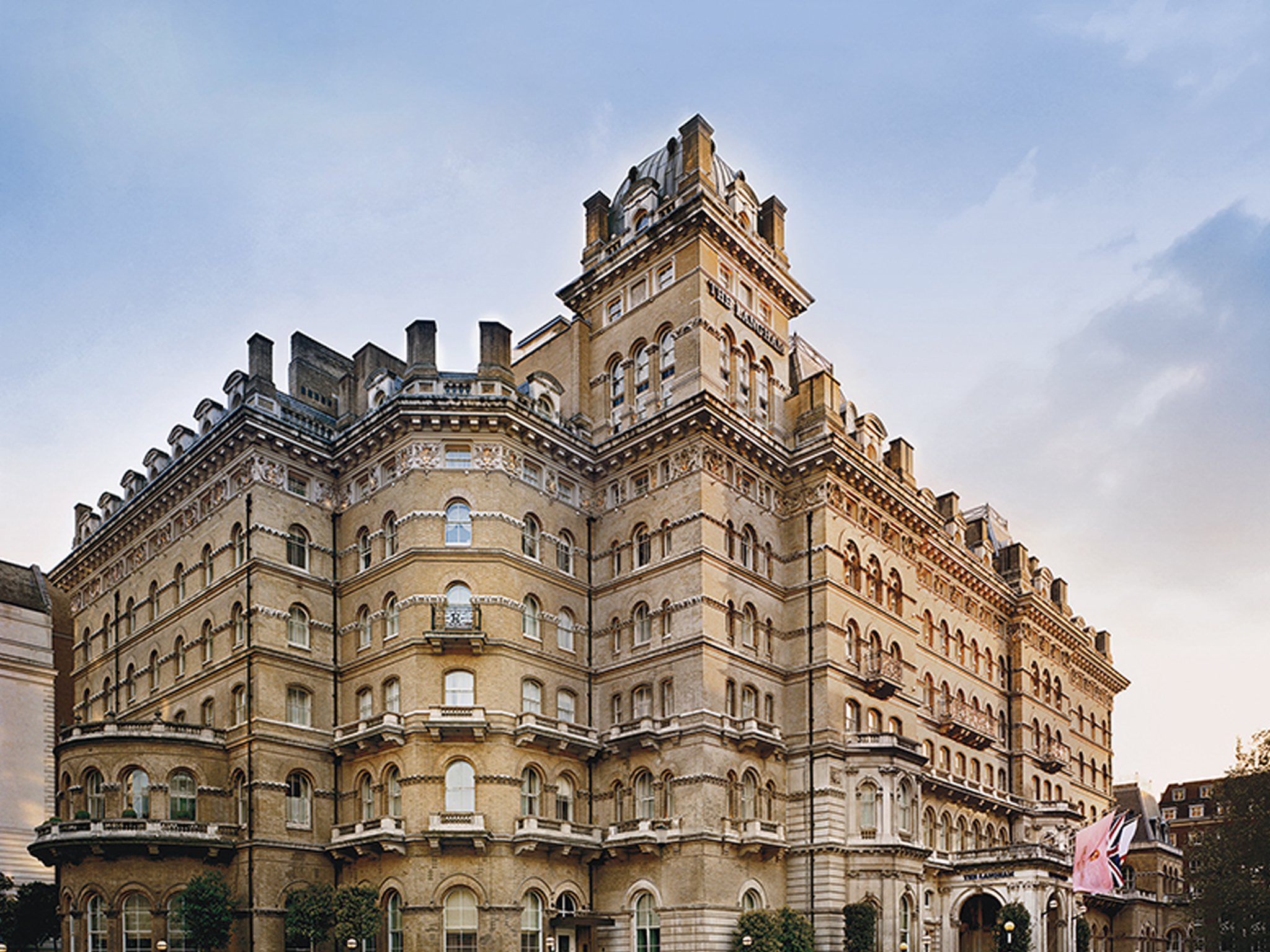
London’s luxury hotels are legendary, offering impeccable service, exquisite design, and world-class amenities. These establishments often reside in historic buildings, boasting rich heritage and an air of exclusivity. Expect Michelin-starred dining, opulent spas, dedicated concierges, and sumptuously appointed rooms.
- Iconic Examples: The Ritz London, The Savoy, The Dorchester, Claridge’s, Mandarin Oriental Hyde Park, Shangri-La at The Shard.
- Target Audience: High-net-worth individuals, honeymooners, special occasion travelers, discerning business travelers.
- Key Features: Butler service, gourmet restaurants, spas and wellness centers, prime locations, personalized attention.
2. Boutique Hotels: Unique Character and Personalized Experience
Boutique hotels offer a refreshing alternative to larger chains, focusing on distinctive design, intimate atmospheres, and highly personalized service. They often reflect the local culture and neighborhood, providing a more curated and unique stay.
- Iconic Examples: Ham Yard Hotel (Soho), The Zetter Townhouse (Clerkenwell), Artist Residence (Pimlico), The Hoxton (various locations).
- Target Audience: Design-conscious travelers, couples, those seeking a unique and memorable experience.
- Key Features: Individualized decor, bespoke amenities, often excellent bars and restaurants, strong local character.
3. Mid-Range & Upper Mid-Scale Hotels: Comfort, Convenience, and Value
This segment forms the backbone of London’s hotel market, providing a balance of comfort, convenience, and good value. These hotels typically belong to well-known international chains, offering reliable standards, modern facilities, and a range of services without the premium price tag of luxury properties.
- Iconic Examples: Marriott, Hilton, Novotel, Radisson Blu, Mercure, Crowne Plaza.
- Target Audience: Business travelers, families, general tourists looking for reliable quality.
- Key Features: Comfortable rooms, on-site dining, meeting facilities, fitness centers, consistent brand standards.
4. Budget & Economy Hotels: Practicality and Affordability
For travelers prioritizing affordability and practicality, London offers a robust selection of budget hotels. These establishments focus on providing clean, comfortable rooms with essential amenities at competitive prices, often in convenient locations near transport hubs.
- Iconic Examples: Premier Inn, Travelodge, easyHotel, Ibis Budget.
- Target Audience: Backpackers, students, budget-conscious tourists, short-stay visitors.
- Key Features: No-frills rooms, comfortable beds, en-suite bathrooms, often limited additional services.
5. Serviced Apartments & Aparthotels: Flexibility and Home Comforts
Increasingly popular, serviced apartments and aparthotels combine the amenities of a hotel with the space and flexibility of an apartment. They are ideal for longer stays, families, or those who prefer self-catering options.
- Iconic Examples: Locke Hotels, Cheval Residences, Citadines, Staycity.
- Target Audience: Families, business travelers on extended assignments, groups, those seeking more space and autonomy.
- Key Features: Fully equipped kitchens/kitchenettes, separate living areas, laundry facilities, often hotel services like housekeeping and concierge.
6. Hostels: Social and Ultra-Budget Friendly
While not strictly "hotels," hostels play a significant role in London’s accommodation landscape, especially for younger travelers and backpackers. They offer dormitory-style rooms (though private rooms are often available) and communal spaces, fostering a social atmosphere.
- Iconic Examples: Generator London, Wombat’s City Hostel, St Christopher’s Inn.
- Target Audience: Solo travelers, backpackers, students, groups on a tight budget.
- Key Features: Dormitory beds, communal kitchens, social events, shared bathrooms (though private options exist).
Navigating London’s Hotel Hotspots: Neighborhoods and Their Charms
London is a city of distinct neighborhoods, each with its own character, attractions, and consequently, its own type of hotel offerings. Choosing the right area is as crucial as choosing the right hotel.
1. West End (Covent Garden, Soho, Leicester Square, Theatreland)
- Vibe: Vibrant, bustling, entertainment-focused.
- Hotels: Primarily mid-range to luxury, with numerous boutique options. Excellent for theatre-goers, shoppers, and those seeking nightlife.
- Pros: Central, walking distance to major attractions, unparalleled entertainment.
- Cons: Can be noisy, generally higher prices, very touristy.
2. Mayfair & Knightsbridge
- Vibe: Exclusive, luxurious, high-end shopping.
- Hotels: Dominated by ultra-luxury hotels and prestigious brands. Perfect for discerning travelers, luxury shoppers (Harrods, Selfridges), and those seeking refined elegance.
- Pros: Opulent surroundings, proximity to Hyde Park, world-class dining.
- Cons: Extremely expensive, can feel less authentically "London" to some.
3. Kensington & Chelsea
- Vibe: Upscale residential, cultural, elegant.
- Hotels: A mix of luxury, upper mid-range, and boutique hotels, often in beautiful Victorian buildings. Ideal for museum lovers (Victoria and Albert, Natural History, Science Museums), families, and those seeking a more relaxed, elegant atmosphere.
- Pros: Beautiful architecture, quiet streets, excellent museums, good transport links.
- Cons: Can be pricier, slightly further from the immediate buzz of the West End.
4. The City of London (Square Mile)
- Vibe: Historic, financial, modern architecture.
- Hotels: A growing number of modern business hotels, design-led boutiques, and some luxury options. Caters to business travelers during the week, and tourists interested in history (Tower of London, St Paul’s Cathedral) and modern architecture on weekends.
- Pros: Excellent transport, fascinating blend of old and new, quieter on weekends.
- Cons: Can be very busy during weekdays, fewer traditional tourist attractions compared to West End.
5. South Bank & Bankside
- Vibe: Cultural, riverside, lively.
- Hotels: A good mix of mid-range, upper mid-scale, and some luxury hotels, often with river views. Perfect for culture vultures (Tate Modern, Globe Theatre, Southbank Centre), families, and those wanting iconic views.
- Pros: Iconic river views, proximity to cultural institutions, vibrant atmosphere.
- Cons: Can be crowded, some areas feel very modern.
6. Shoreditch & East London
- Vibe: Trendy, artistic, bohemian, nightlife.
- Hotels: Dominated by cool boutique hotels, design-led independent properties, and some budget options. Attracts younger travelers, creatives, and those seeking vibrant nightlife, street art, and independent shops.
- Pros: Buzzing nightlife, unique dining, strong local character, more affordable than central London.
- Cons: Can be noisy, some areas are still gentrifying, less convenient for traditional tourist sights.
7. Paddington & King’s Cross/St Pancras
- Vibe: Transport hubs, regenerating, convenient.
- Hotels: A high concentration of mid-range and budget hotels, alongside some new luxury developments. Ideal for travelers arriving by train (Heathrow Express, Eurostar) or those needing excellent transport links across the city.
- Pros: Unbeatable transport connections, increasingly vibrant areas with new restaurants and public spaces.
- Cons: Can feel very busy due to transport links, some areas still under development.
Key Considerations When Choosing Your London Hotel
With such a vast array of choices, making an informed decision requires careful consideration of several factors:
- Budget: This is often the primary driver. Be realistic about what you can afford and filter your search accordingly. Remember that London is generally an expensive city, and prices fluctuate seasonally.
- Location & Accessibility:
- Proximity to Attractions: Do you want to walk to the theatre or museums?
- Tube & Bus Links: London’s public transport network is excellent. Even if your hotel isn’t central, good tube access can make any location viable.
- Airport Connections: If you have an early flight, consider hotels near Paddington (Heathrow Express) or King’s Cross (Eurostar, Luton/Stansted links).
- Purpose of Visit:
- Leisure/Tourism: Central locations (West End, South Bank) are often preferred.
- Business: The City, Canary Wharf, or hotels with good conference facilities are key.
- Family: Serviced apartments, hotels with family rooms, or those near parks/museums (Kensington) are suitable.
- Romantic Getaway: Boutique hotels, luxury properties, or those with special amenities.
- Amenities & Services:
- Wi-Fi: Essential for most travelers.
- Breakfast: Included or extra?
- Concierge: Valuable for recommendations and bookings.
- Fitness Center/Spa: If wellness is a priority.
- Restaurant/Bar: For convenience.
- Accessibility Features: Crucial for travelers with mobility needs.
- Reviews & Reputation: Always check recent guest reviews on reputable sites like TripAdvisor, Google, and booking platforms. Pay attention to comments on cleanliness, service, noise levels, and accuracy of descriptions.
- Loyalty Programs: If you frequently stay with a particular hotel chain, leverage your loyalty points or status for upgrades and perks.
- Sustainability Practices: A growing number of hotels are adopting eco-friendly initiatives. If this is important to you, look for hotels with green certifications.
Booking Strategies and Tips
- Book in Advance: Especially during peak season (summer, Christmas, major events) and for popular hotels, booking several months ahead can secure better rates and availability.
- Compare Prices: Use online travel agencies (OTAs) like Booking.com, Expedia, and Hotels.com, but also check the hotel’s official website directly. Sometimes hotels offer exclusive deals or perks (e.g., free breakfast, late checkout) for direct bookings.
- Flexibility with Dates: If your travel dates are flexible, use "flexible date" search options to find cheaper rates, often outside of peak weekends or during shoulder seasons (spring/autumn).
- Understand Cancellation Policies: Always read the fine print, especially regarding cancellation deadlines and fees, in case your plans change.
- Consider Packages: Hotels sometimes offer packages that include breakfast, dinner, or attraction tickets, which can offer better overall value.
The Evolving Landscape of London’s Hospitality
London’s hotel industry is constantly innovating, driven by technological advancements, changing traveler preferences, and a commitment to sustainability.
- Sustainability & Green Initiatives: Many hotels are implementing eco-friendly practices, from reducing single-use plastics and energy consumption to sourcing local produce and investing in renewable energy. Travelers are increasingly seeking out these responsible options.
- Technology Integration: Smart rooms with tablet controls, keyless entry via mobile apps, personalized digital concierges, and seamless Wi-Fi are becoming standard. This enhances convenience and personalization.
- Experiential Stays: Hotels are moving beyond just providing a bed, offering immersive experiences like local tours, cooking classes, wellness retreats, and art installations, connecting guests more deeply with the city.
- Wellness Focus: Spas, state-of-the-art gyms, healthy dining options, and even in-room fitness equipment are becoming more common as travelers prioritize well-being.
- Design and Art: Hotels are increasingly collaborating with artists and designers, transforming properties into curated spaces that celebrate creativity and local culture, particularly evident in the boutique segment.
- Hybrid Spaces: Lobbies are evolving into multi-functional "living rooms" where guests can work, socialize, dine, and relax, fostering a sense of community.
Challenges and Future Outlook
While London’s hospitality sector is robust, it faces ongoing challenges:
- Economic Pressures: Inflation, rising energy costs, and the cost of living impact both operational costs for hotels and the disposable income of travelers.
- Staffing Shortages: The post-Brexit and post-pandemic landscape has created challenges in recruiting and retaining skilled staff.
- Competition: The sheer volume of hotels means fierce competition for guests, requiring constant innovation and value proposition.
- Sustainability Demands: Meeting ambitious environmental targets while maintaining guest comfort requires significant investment and strategic planning.
Despite these hurdles, London’s appeal as a global destination remains undiminished. The industry continues to adapt, innovate, and invest, ensuring that its hotel offerings remain world-class and responsive to the evolving needs of its diverse clientele.
Conclusion
London’s hotel scene is as multifaceted and captivating as the city itself. From the unparalleled luxury of Mayfair to the vibrant energy of Shoreditch, the practical comfort of a Premier Inn to the unique charm of a boutique hideaway, there truly is a perfect place for every traveler. By understanding the different types of hotels, exploring the distinct characteristics of London’s neighborhoods, and considering your own priorities, you can navigate this rich landscape to find accommodation that not only meets your needs but also enhances your unforgettable London experience. Whether you’re chasing history, sealing a business deal, or simply soaking in the vibrant culture, a comfortable and welcoming London hotel awaits to be your home away from home.