Okay, here is a comprehensive article about hotels in Tokyo, aiming for approximately 1,500 words.
Tokyo’s Hospitality Tapestry: Navigating the Diverse World of Hotels in Japan’s Megacity
Tokyo, a city where ancient traditions flawlessly blend with futuristic innovation, stands as a global beacon of culture, commerce, and unparalleled experiences. From the serene gardens of the Imperial Palace to the neon-lit frenzy of Shibuya Crossing, every corner of this sprawling metropolis offers something unique. For the millions of travelers who flock to its shores each year, choosing the right accommodation isn’t just about finding a place to sleep; it’s about selecting a gateway to their Tokyo adventure, a sanctuary that complements their exploration of this extraordinary city.
Tokyo’s hotel scene is as diverse and dynamic as the city itself, a rich tapestry woven from threads of opulent luxury, sleek modernity, charming tradition, and ingenious efficiency. The sheer variety can be overwhelming, yet it promises that there is a perfect stay for every budget, every style, and every purpose. This guide delves deep into the world of Tokyo hotels, exploring the categories, key considerations, and unique aspects that define hospitality in one of the world’s most captivating cities.
The Unmistakable Mark of Japanese Hospitality: Omotenashi
Before diving into specific hotel types, it’s crucial to understand the foundational principle that elevates Tokyo’s hospitality: Omotenashi. More than just customer service, Omotenashi is a unique Japanese approach to guest care that emphasizes anticipating needs, providing selfless service without expectation of reward, and ensuring the guest feels completely at ease and valued. This philosophy permeates every aspect of a hotel stay, from the immaculately clean rooms and thoughtful amenities to the polite, efficient, and genuinely warm interactions with staff.
You’ll notice Omotenashi in the meticulous attention to detail, the pristine condition of even budget accommodations, the technological sophistication designed for guest comfort, and the profound respect shown to every visitor. It’s this underlying ethos that transforms a mere hotel stay into a memorable experience.
A Spectrum of Stays: Categorizing Tokyo’s Hotels
Tokyo’s hotels can broadly be categorized into several distinct types, each offering a unique set of features and catering to different traveler preferences.
1. The Epitome of Luxury: International Grand Hotels & Boutique Opulence
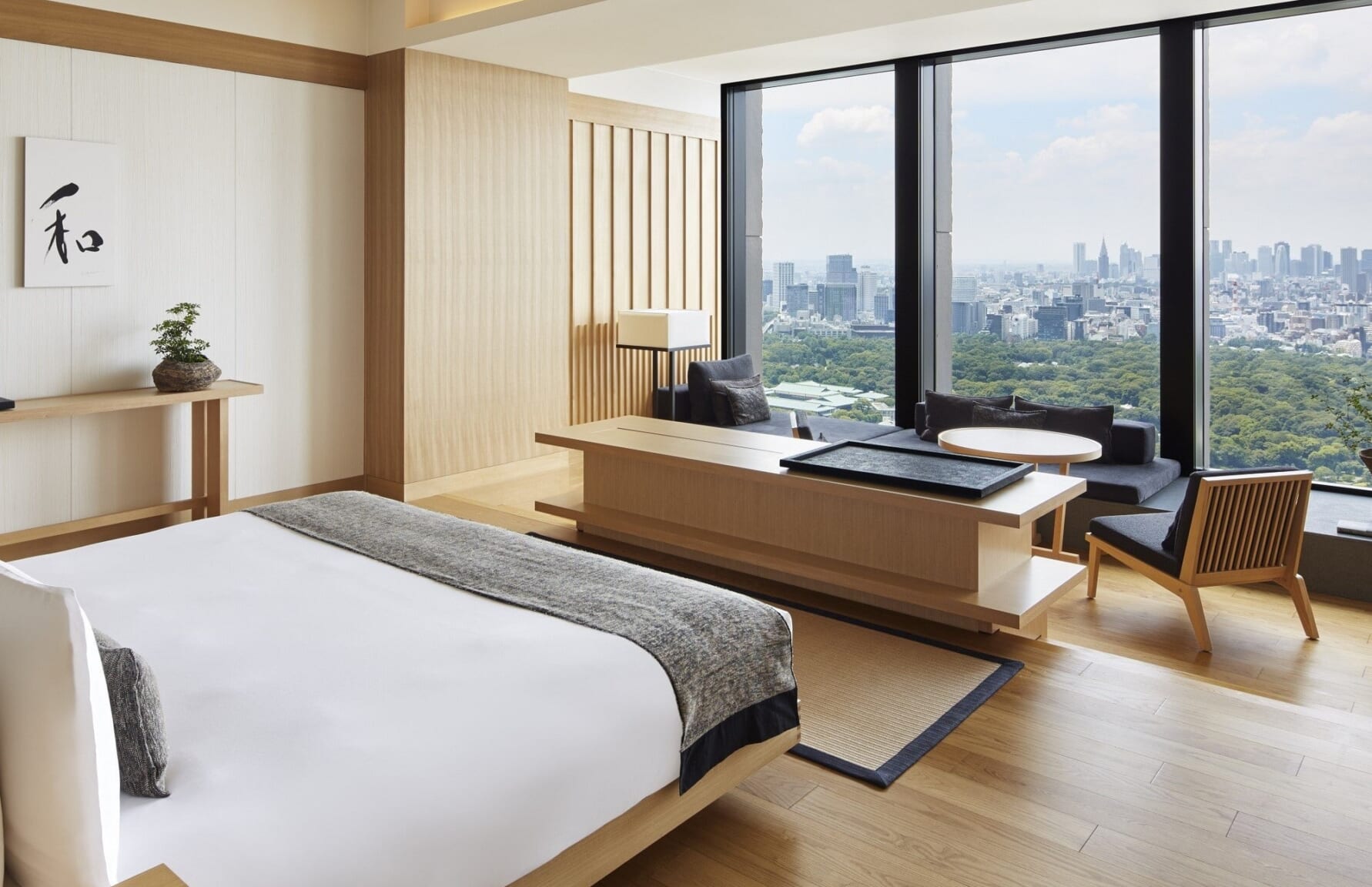
Tokyo boasts some of the finest luxury hotels in the world, renowned for their breathtaking city views, Michelin-starred dining, exquisite design, and impeccable service. These establishments often occupy the upper floors of skyscrapers, offering panoramic vistas that stretch from the Tokyo Tower to Mount Fuji on a clear day.
- International Chains: Brands like The Peninsula Tokyo, Mandarin Oriental Tokyo, Four Seasons Hotel Tokyo at Marunouchi, The Ritz-Carlton Tokyo, and Conrad Tokyo set the global standard for luxury. They offer expansive rooms, world-class spas, state-of-the-art fitness centers, and multiple gourmet restaurants. Their concierge services are legendary, capable of securing coveted restaurant reservations or arranging exclusive cultural experiences.
- Japanese Luxury: Hotels like the Imperial Hotel Tokyo (a historic landmark), Hotel Okura Tokyo (a blend of modern and traditional Japanese aesthetics), and the Palace Hotel Tokyo (overlooking the Imperial Palace gardens) offer a distinct Japanese flavor of luxury, often incorporating traditional design elements and a deeper sense of Omotenashi rooted in local culture.
- Boutique Luxury: For those seeking exclusivity and unique design, hotels like Aman Tokyo (a serene urban sanctuary), The Prince Gallery Tokyo Kioicho (futuristic elegance), and Trunk Hotel (a hip, design-forward space with a strong emphasis on local community) offer intimate yet lavish experiences.
These hotels are ideal for discerning travelers, honeymooners, business executives, or anyone seeking an indulgent, stress-free stay with every comfort catered for.
2. Mid-Range Marvels: Comfort, Style, and Value
The mid-range segment in Tokyo is incredibly robust, offering excellent value for money without compromising on comfort, cleanliness, or convenience. These hotels strike a perfect balance between luxury amenities and affordability, making them popular among a wide range of travelers.
- Business Hotels (Upscale Versions): While often labeled "business hotels," many establishments like Mitsui Garden Hotel, Solaria Nishitetsu Hotel, and Gracery Hotels offer contemporary design, comfortable rooms (often larger than budget options), good dining options, and prime locations near major train stations. They often feature public baths (onsen/sento) for guests, a delightful Japanese touch.
- Boutique & Lifestyle Hotels: This category includes stylish hotels that prioritize design and atmosphere, often with unique themes or local touches. Muji Hotel Ginza, with its minimalist aesthetic, and Park Hotel Tokyo, known for its "Artist in Hotel" rooms, are prime examples. They cater to travelers who appreciate aesthetic appeal and a distinctive experience.
- Serviced Apartments: For longer stays or families, serviced apartments like those offered by Citadines or Fraser Suites provide apartment-style living with kitchenettes and more space, blending hotel services with residential comfort.
Mid-range hotels are perfect for travelers who want a comfortable and stylish base without the premium price tag of luxury accommodations, offering a true taste of Japanese efficiency and thoughtful design.
3. Budget-Friendly Brilliance: Efficiency and Essential Comforts
Tokyo proves that "budget" doesn’t have to mean compromising on cleanliness or safety. The city’s budget hotels are a testament to Japanese efficiency and smart design, offering clean, compact, and highly functional spaces.
- Business Hotel Chains: Chains like Toyoko Inn, APA Hotel, Dormy Inn, and Super Hotel dominate this category. They are ubiquitous across the city, typically located within a few minutes’ walk of train stations. Rooms are compact but impeccably clean, often featuring a desk, TV, private bathroom, and excellent Wi-Fi. Many offer complimentary breakfast, and some even have public baths. They are a fantastic choice for solo travelers, couples, and business travelers prioritizing convenience and cost-effectiveness.
- Hostels and Guesthouses: Tokyo’s hostel scene has evolved significantly, moving beyond simple dorms to offer stylish common areas, private rooms, and a vibrant community atmosphere. Hostels like Grids Hostel & Bar, Nui. Hostel & Bar Lounge, and Toco. Tokyo Heritage Hostel provide a social environment and are excellent for backpackers, young travelers, and those on a tight budget.
- Capsule Hotels (Modern & Traditional): The iconic Japanese capsule hotel offers a truly unique, hyper-efficient sleeping experience. Modern capsule hotels, such as 9h nine hours or The Millennials Shibuya, have elevated the concept with sleek design, high-tech amenities (e.g., smart beds, personal TVs), and often dedicated lounge areas. Traditional capsules are simpler but equally clean and provide a private pod for sleeping. They are an adventurous and budget-friendly option, particularly for solo travelers.
Budget hotels in Tokyo are an excellent choice for travelers who want to maximize their sightseeing budget, experience Japanese efficiency, and don’t mind smaller spaces.
4. Unique Japanese Experiences: Ryokans and Love Hotels
Beyond the conventional, Tokyo also offers accommodations that are deeply rooted in Japanese culture or cater to specific, often quirky, needs.
- Ryokans (Traditional Japanese Inns): While more common in rural areas with hot springs, Tokyo does have a handful of urban ryokans, like Hoshinoya Tokyo, that offer a taste of traditional Japanese hospitality. Guests sleep on futons on tatami mats, often enjoy elaborate kaiseki (multi-course) dinners, and experience the calming aesthetics of Japanese design. It’s a cultural immersion rather than just a place to stay.
- Love Hotels: A fascinating aspect of Japanese urban culture, love hotels are designed for privacy and discretion, often featuring themed rooms, hourly rates, and automated check-in/check-out. While primarily for couples, they can sometimes be a quirky and surprisingly affordable option for travelers looking for a unique, spacious room for a night, especially outside peak hours.
Key Factors to Consider When Choosing Your Tokyo Hotel
With such a vast array of options, making the right choice requires careful consideration of several factors:
1. Location, Location, Location! (Neighborhoods)
Tokyo’s public transport system is legendary, but choosing a hotel near the attractions you plan to visit most frequently can save precious commuting time and enhance your experience.
- Shinjuku: A bustling hub known for its towering skyscrapers, vibrant nightlife (Kabukicho), department stores, and the serene Shinjuku Gyoen National Garden. Excellent transport links via Shinjuku Station. Ideal for first-timers, shoppers, and nightlife enthusiasts.
- Shibuya: The heart of youth culture, fashion, and entertainment, famous for its iconic crossing. Great for trendsetters, shoppers, and those seeking a lively atmosphere.
- Ginza: Tokyo’s upscale shopping and dining district, home to luxury boutiques, department stores, and theaters. Perfect for luxury travelers, shoppers, and gourmands.
- Asakusa: Steeped in tradition, home to Senso-ji Temple and Nakamise-dori market. Offers a glimpse into old Tokyo. Ideal for culture seekers and those who appreciate a more traditional vibe.
- Ueno: Known for its large park housing museums, a zoo, and temples. A cultural and family-friendly area with good access to Narita Airport via Keisei Skyliner.
- Tokyo Station / Marunouchi: A central business district with excellent transport connections to virtually anywhere in Japan (Shinkansen) and Narita/Haneda airports. Upscale hotels and proximity to the Imperial Palace. Ideal for business travelers and those prioritizing convenience and connectivity.
- Shinagawa: Another major transport hub, especially for Shinkansen. Good for business travelers and those making day trips outside Tokyo.
- Roppongi: Known for its art museums, nightlife, and expat community. Offers a mix of high-end dining and entertainment.
- Odaiba: A futuristic entertainment island with shopping malls, museums, and stunning waterfront views. Great for families and those seeking modern attractions.
Consider your itinerary and how much time you want to spend commuting versus exploring your immediate surroundings.
2. Budget
Define your budget clearly. Tokyo can accommodate every price point, but knowing your limits will narrow down your choices significantly. Remember that prices can fluctuate wildly based on season, events, and day of the week.
3. Travel Style and Purpose
- Solo Traveler: Capsule hotels, business hotels, or hostels offer great value and efficiency.
- Couples/Romantic Getaway: Luxury hotels, boutique hotels, or stylish mid-range options.
- Families: Serviced apartments, larger rooms in mid-range hotels, or hotels in areas like Odaiba or Ueno with family-friendly attractions.
- Business Traveler: Hotels near major transport hubs like Tokyo Station, Shinagawa, or Shinjuku, often with dedicated business amenities.
- Cultural Immersion: Ryokans or hotels in traditional neighborhoods like Asakusa.
4. Amenities and Services
What’s important to you?
- Wi-Fi: Universally available, but check if it’s complimentary.
- Breakfast: Often included in budget and mid-range hotels, but can be a costly add-on in luxury establishments.
- Laundry facilities: Essential for longer trips. Many business hotels have coin-operated laundromats.
- Fitness center/Pool/Spa: More common in luxury and some upscale mid-range hotels.
- Concierge: Invaluable for bookings, directions, and local recommendations, especially in higher-end hotels.
- Public Bath (Onsen/Sento): A delightful feature in many mid-range and budget business hotels.
5. Reviews and Reputation
Always check recent reviews on platforms like TripAdvisor, Booking.com, or Google Maps. Pay attention to comments regarding cleanliness, staff helpfulness, room size, and noise levels.
Practical Tips for Booking and Staying in Tokyo Hotels
- Book Early: Especially during peak seasons (cherry blossom, autumn foliage, national holidays, major events), hotels can book up months in advance, and prices surge.
- Understand Room Sizes: Japanese hotel rooms, particularly in budget and mid-range categories, are generally smaller than their Western counterparts. Be prepared for compact spaces, but also marvel at their efficient design.
- Leverage Public Transport: Most hotels are strategically located near train or subway stations. Google Maps is your best friend for navigating the system. A hotel within a 5-10 minute walk of a station is ideal.
- Language Barrier: While many hotel staff, especially in mid-range and luxury hotels, speak English, having a translation app or basic Japanese phrases can be helpful.
- Check-in/Check-out Times: Standard check-in is usually 3 PM, and check-out is 10 AM or 11 AM. Confirm these times to avoid surprises.
- Luggage Forwarding (Takuhaibin): If you’re traveling across Japan, consider using luggage forwarding services (Yamato Transport or Sagawa Express), which your hotel can usually arrange. It allows you to travel light between cities.
- Cancellation Policies: Read the fine print carefully. Some hotels offer free cancellation up to a certain date, while others have stricter policies.
The Future of Tokyo Hotels
As Tokyo continues to evolve, so too does its hospitality landscape. Expect to see:
- Increased focus on sustainability: More eco-friendly practices and certifications.
- Technological integration: Smarter rooms, AI concierges, and seamless digital experiences.
- Personalized experiences: Hotels catering to niche interests, from art and wellness to specific subcultures.
- Diversification for diverse demographics: More family-friendly amenities, accessible rooms, and multi-generational travel options.
Conclusion
Tokyo’s hotels are far more than just places to rest your head; they are integral to the experience of exploring this magnificent city. Whether you seek the pinnacle of luxury, a stylish and comfortable base, an efficient budget haven, or a unique cultural immersion, Tokyo’s hospitality tapestry has a thread woven just for you. By understanding the diverse offerings, considering your priorities, and embracing the spirit of Omotenashi, you can unlock a truly unforgettable stay that perfectly complements your journey through the vibrant heart of Japan. So, choose wisely, book with excitement, and prepare to be enchanted by the world-class hospitality that awaits you in Tokyo.